Monthly Archives: June 2012

Fuel Regulator Fittings

The Ecotec engine uses a similar fuel delivery system as fitted in the LSx engines in that the fuel rail is “returnless”.  This means there is only one line feeding the fuel rail on the engine.  In order to make this work, a special fuel regulator with built in filter has to be plumbed not far from the fuel pump.  There are several fuel regulator fittings available and in today’s installment I’ll document my experiences.

In an earlier post, I wrote about bowtie6‘s Ecotec fuel system (click here) where I described the separate staging tank holding the fuel pump.  About two weeks ago, I noticed the insulation post around the fuel pump’s B+ terminal my cousin Jim had fabricated had deteriorated due to coming in contact with fuel from the tank.  In order to solve this problem, I had to take the small tank out which required disconnecting the fuel regulator fittings.  After putting all the bits back together I found the fuel regulator fittings were not exactly “clicking” correctly.  They held in place but I was not pleased with the fitment so I safety wired them in place as shown in the following picture:
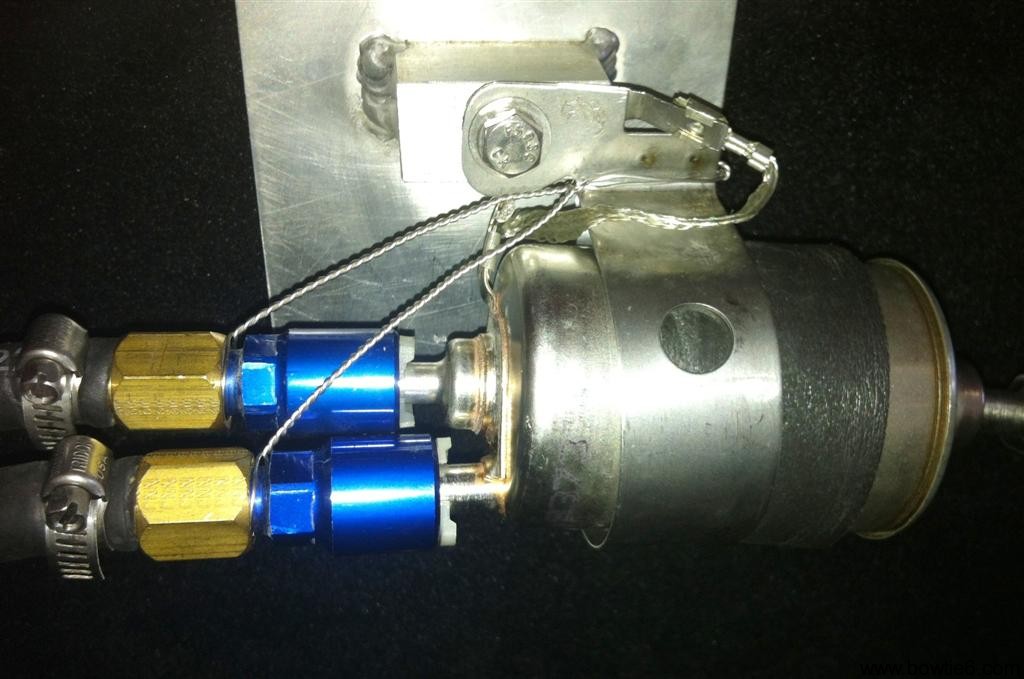
We can all agree this is not exactly the most elegant way to do things.  So why the safety wire?  Well, turns out on the little plastic tabs that “click” the blue fitting in place are not exactly the best design in the world.  Sure, car manufacturers use them all the time and they work flawlessly.  However these are aftermarket units made by Russell (a division of Edelbrock) and they are not exactly OEM quality.  I found out this by experience and by reading the latest issue of Car & Craft’s engine swaps magazine.  So where is the problem?

The following photo shows one of the two pump-side lines going into the regulator.  I’ve removed the fitting so you can see the small ring around the metal tube (more on that later)…
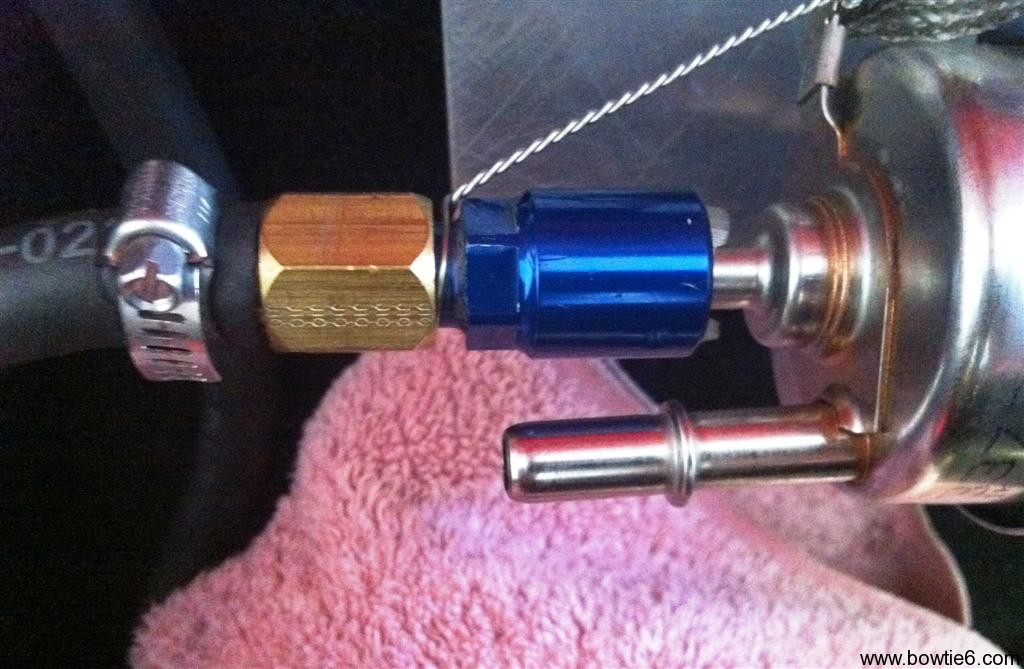
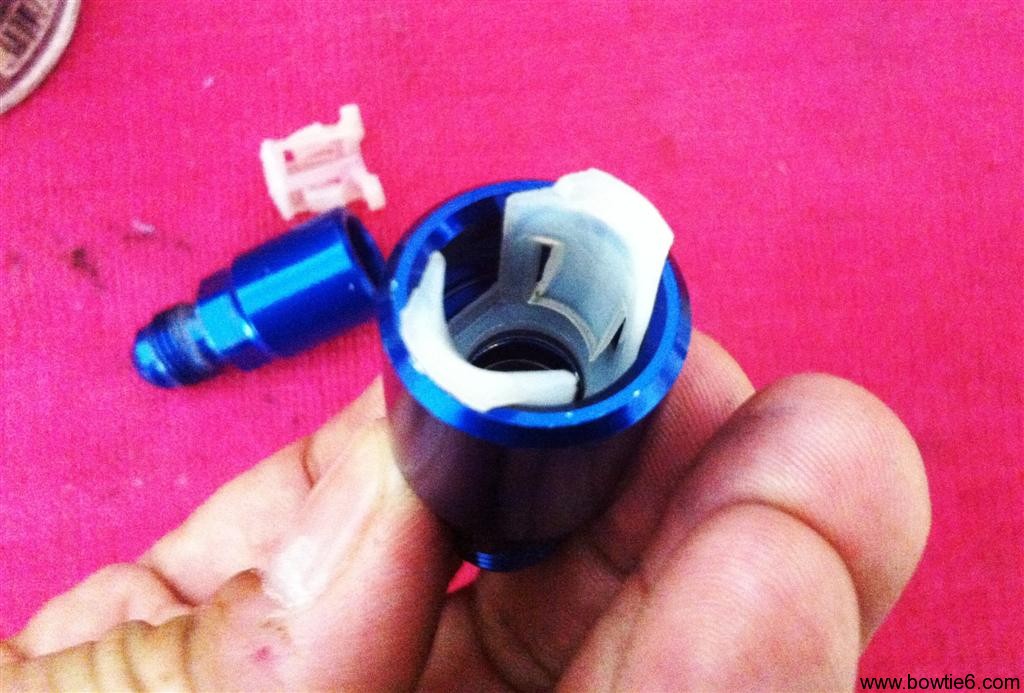
The next photo shows the fitting and the small plastic clip that holds all this together:
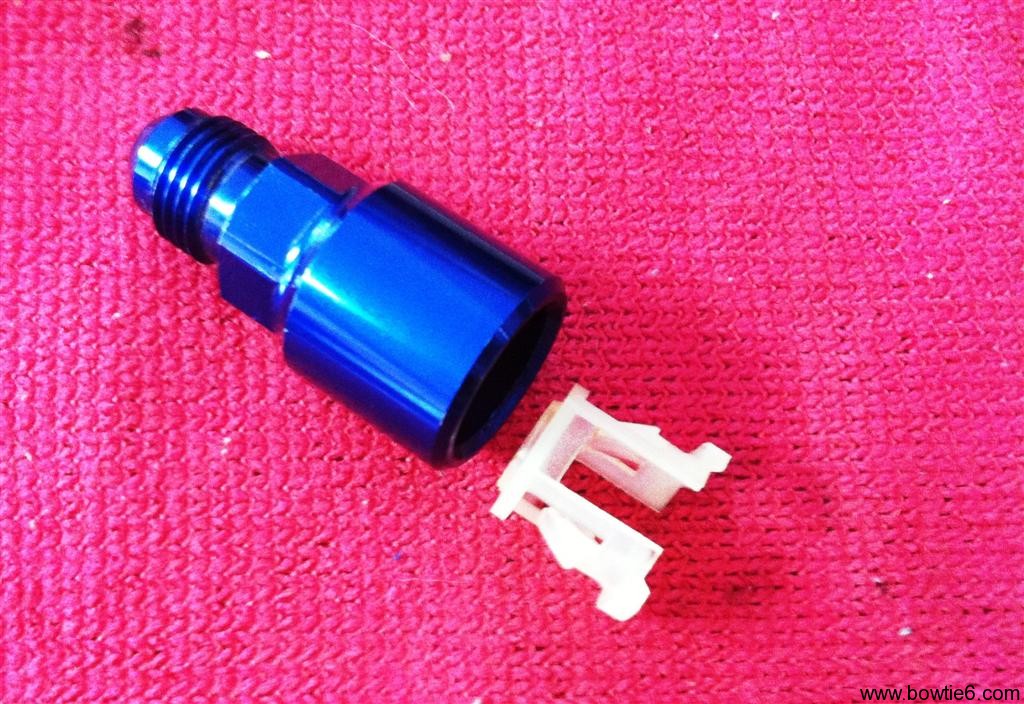
The small white plastic clip is very cleverly made.  There are two sets of barbs on it.  The inner pair locks in place around the ring on the metal tube from the picture above this one.  That keeps the plastic piece from sliding out.  Then the barbs also lock in place on a shoulder inside the fitting.  However in order to make this work, the plastic spring loaded affair must be crisp and not in the least deformed.  Taking this apart deforms the plastic clip and this prevents a positive lock.
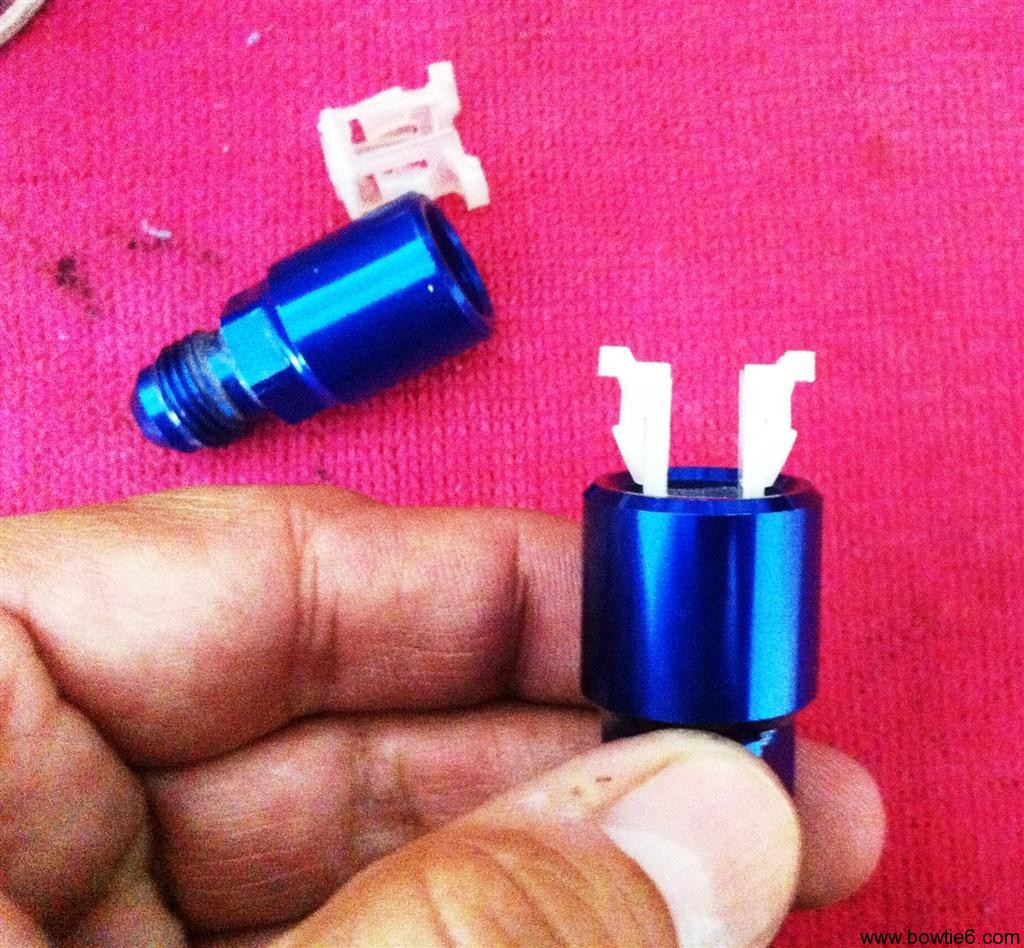
The last two pictures show the white plastic affair locked in place.  As mentioned previously, this assembly is then pushed on the tube in the regulator and if all goes well the two barbs on the plastic clip snap on the ring molded on the tube.  All this looks good on paper, but I noticed the plastic “clip” had lost some of its “spring” and this all did not really lock in place so well.  The kicker is that these fuel lines are holding 50+ psi pump pressure and if they decide to part ways, well… you end up having a real bad day.

Remember that magazine I mentioned above?  There was a very good article in that issue about fuel systems and they cautioned on using these fittings.  And, they also suggested an alternative.  Unfortunately, the alternative is also made by Russell.

I did call the Russell tech line and talked to a rather abrasive dude on the phone about my experiences.  Right of the bat, he was not very interested in my findings nor on making things right.  Basically he told me to buy the new fittings and took no ownership to the fact this was a bit on the “unsafe” side.  I even told him about the article in the magazine, but he dismissed that too.  At any rate why argue with someone unwilling to stand by their product so I ordered new fittings.  While not exactly “cheap” (they are about $16 each) quite frankly I rather spend the money and have the peace of mind this is not going to come apart and sling fuel all over the place.

The solution is to use these fittings:
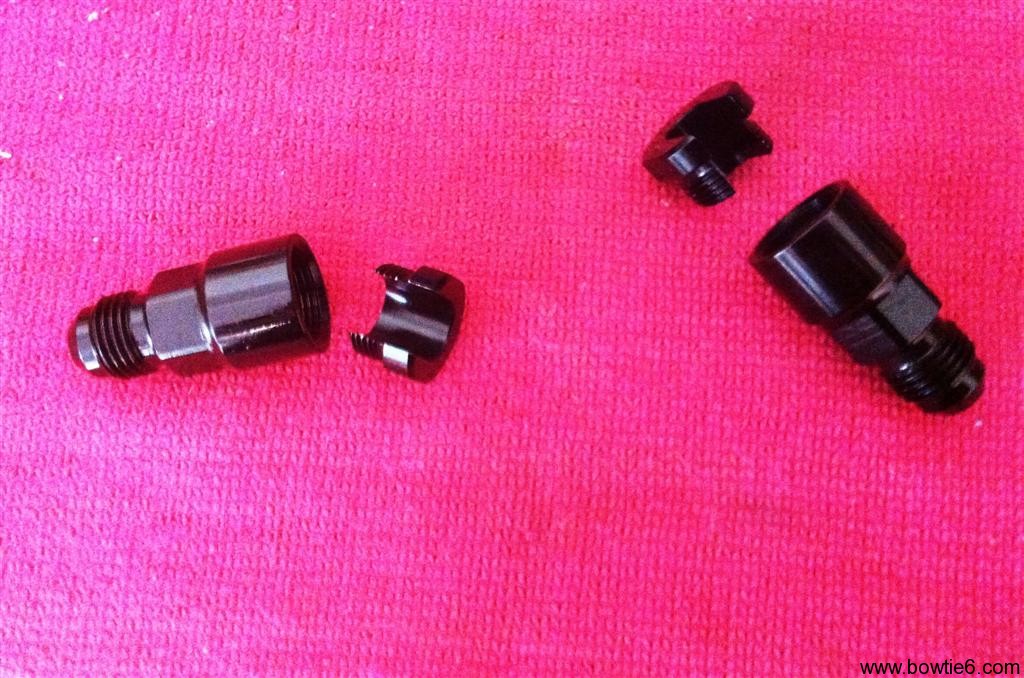
These fittings have a much safer design.  Instead of the spring-loaded plastic affair, they have a threaded cap that holds the fitting in place.  The threaded cap has a “U” shape that slides over the tube on the regulator and when tightened grips the ring (look at the very first picture on this post) keeping everything securely in place.  With this together, there is no slippage and no danger of this ever coming apart.

This is what it looks like all completed:
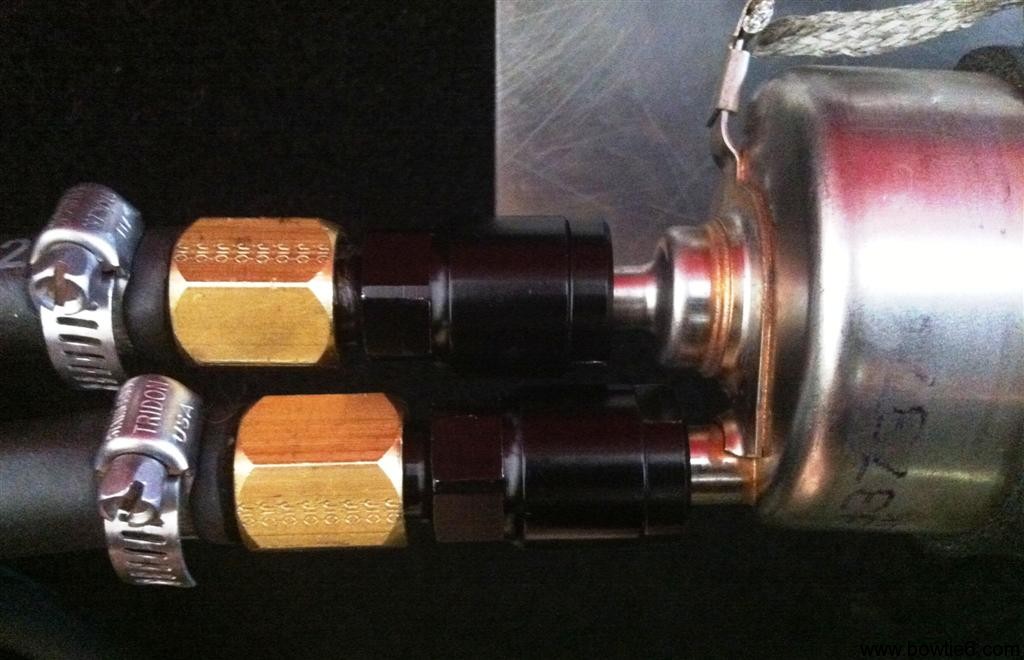
As you can see, these fuel regulator fittings are much nicer and better designed.  If you are considering this for an engine swap, don’t waste your money on the fittings with the plastic spring-loaded clip.  Get the ones with the threaded cap.  You will be much happier and most important of all, safer.
 

VN:F [1.9.22_1171]
Rating: 0.0/10 (0 votes cast)
VN:F [1.9.22_1171]
Rating: +1 (from 1 vote)

S2000 Front Air Dam

When the S2000 was sold in Honda dealerships, there was a extensive collection of “factory accessories” available from the parts department.  Matter of fact, among the bunch of documents I got with my S2000 there was a brochure listing the accessories for the 2003 model year.  Needless to say, there are some that have sparked my interest.  However, since we are taking about a ten-year old automobile, some of these accessories are no longer available.

So what makes the genuine Honda part so special?  For starters is the fit and finish.  Sure,  there are many available aftermarket versions available on eBay for a substantial discount however from what I have read they don’t fit quite like the Honda version.  Next, the Honda part comes painted to match body color.  This is important.  Why?  Well have you priced automotive paint lately?

Well today I finally found a genuine Honda part.  Last week I had a chance to meet with a very nice group of local S2000 owners.  I mentioned I was looking for a front airdam lip and sure enough, a local member said “I’ve got one”.  Geez!  Talk about my lucky day!!  Today we met, and my new friend Andy produced a genuine Honda part in the correct color, brand new.  Cool!

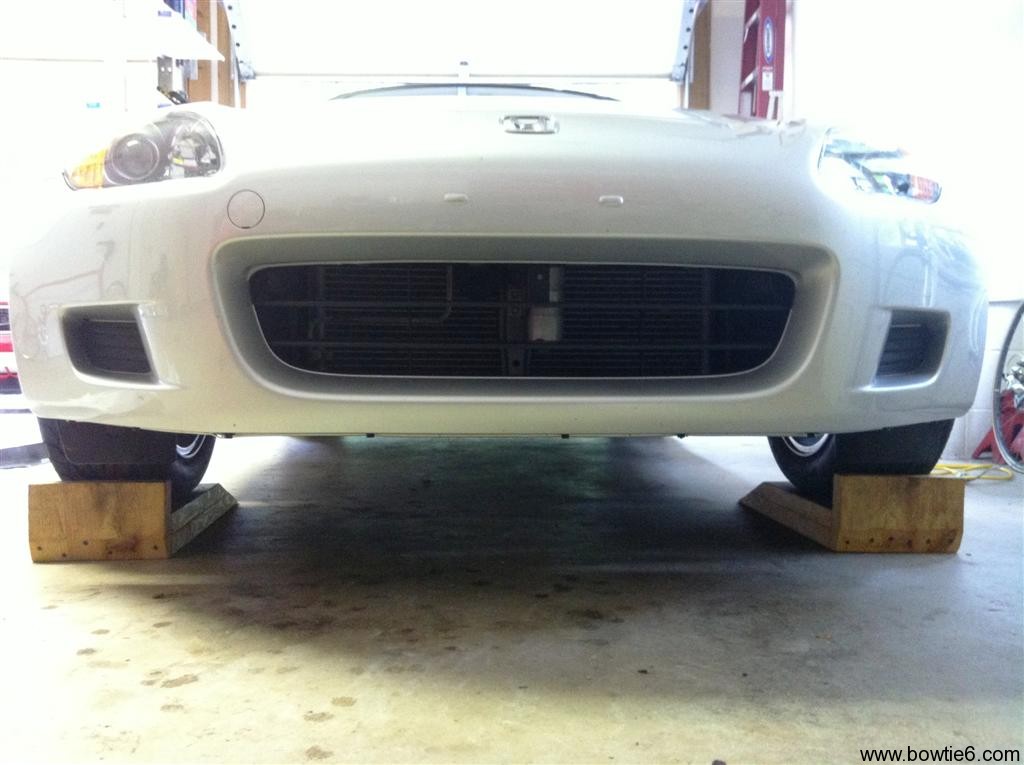
Here is the “before” picture…

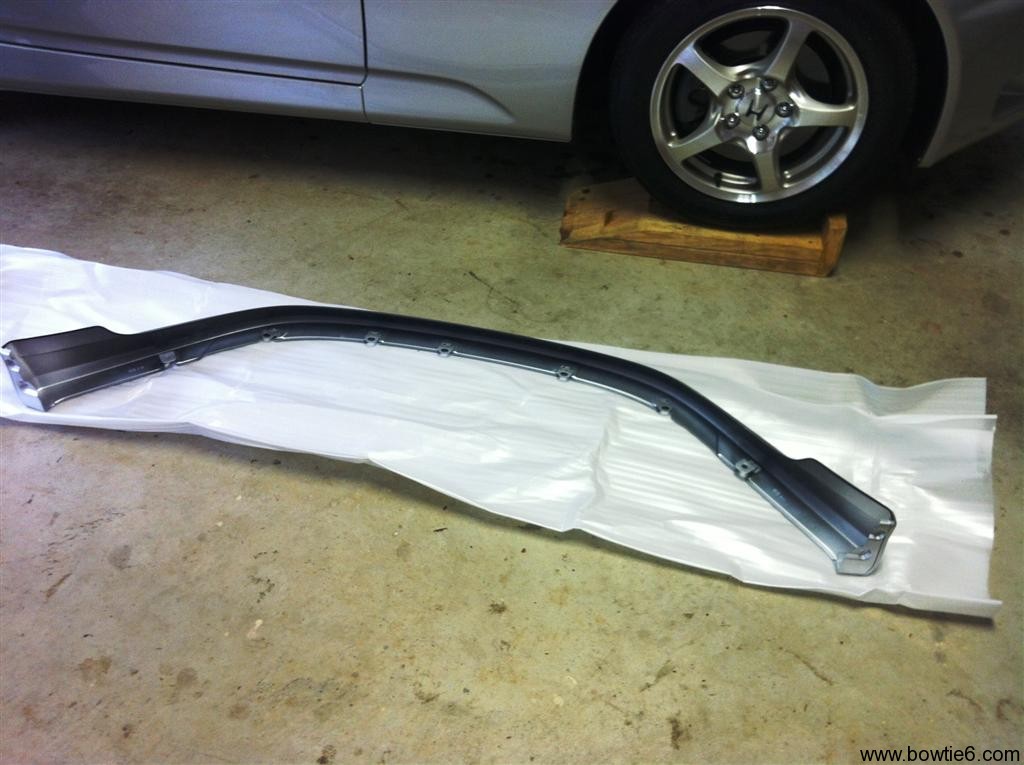
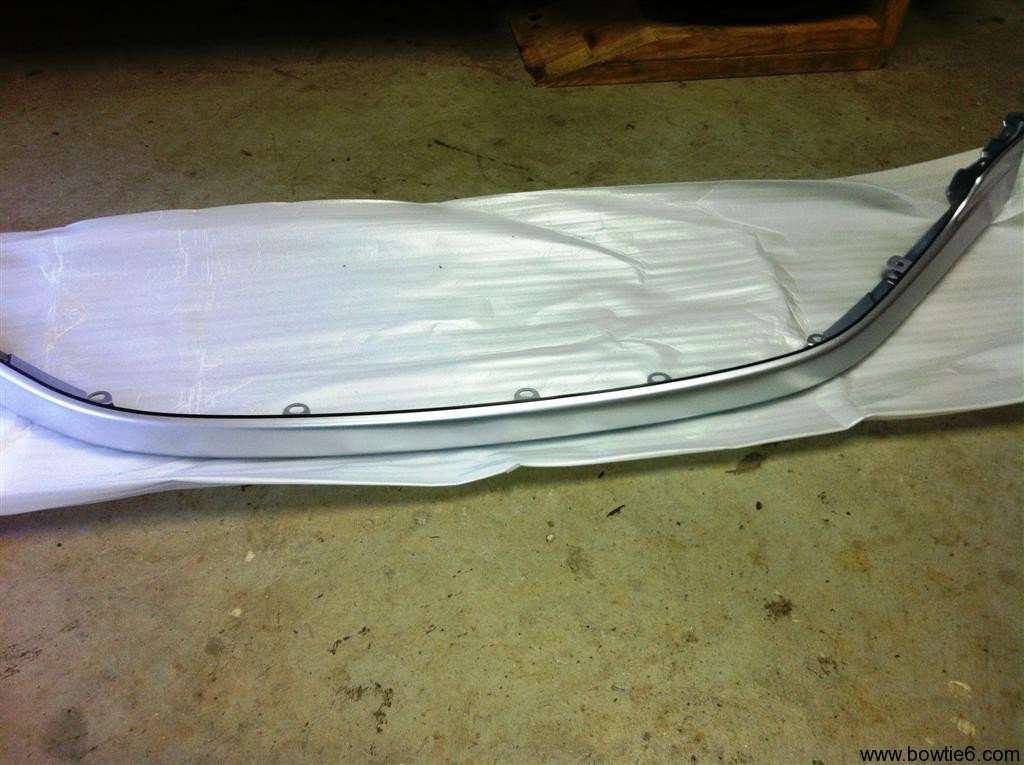
Here is what the air dam lip looks like before the install…

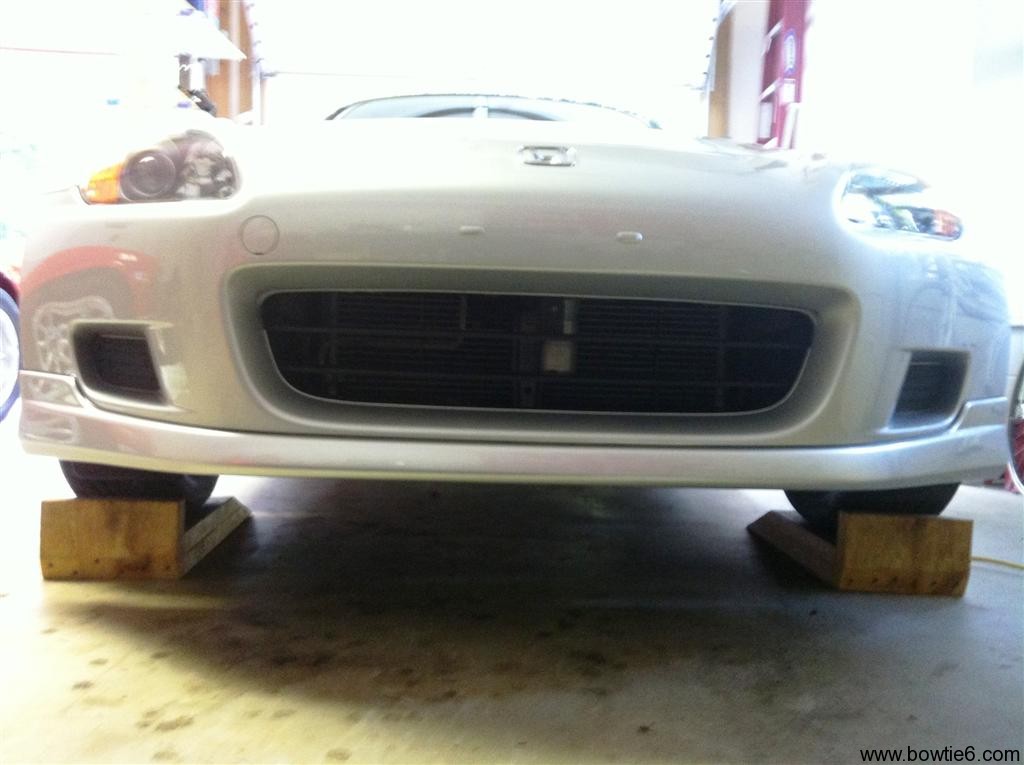
And…  Finally what the front nose looks like now with the lip in place:

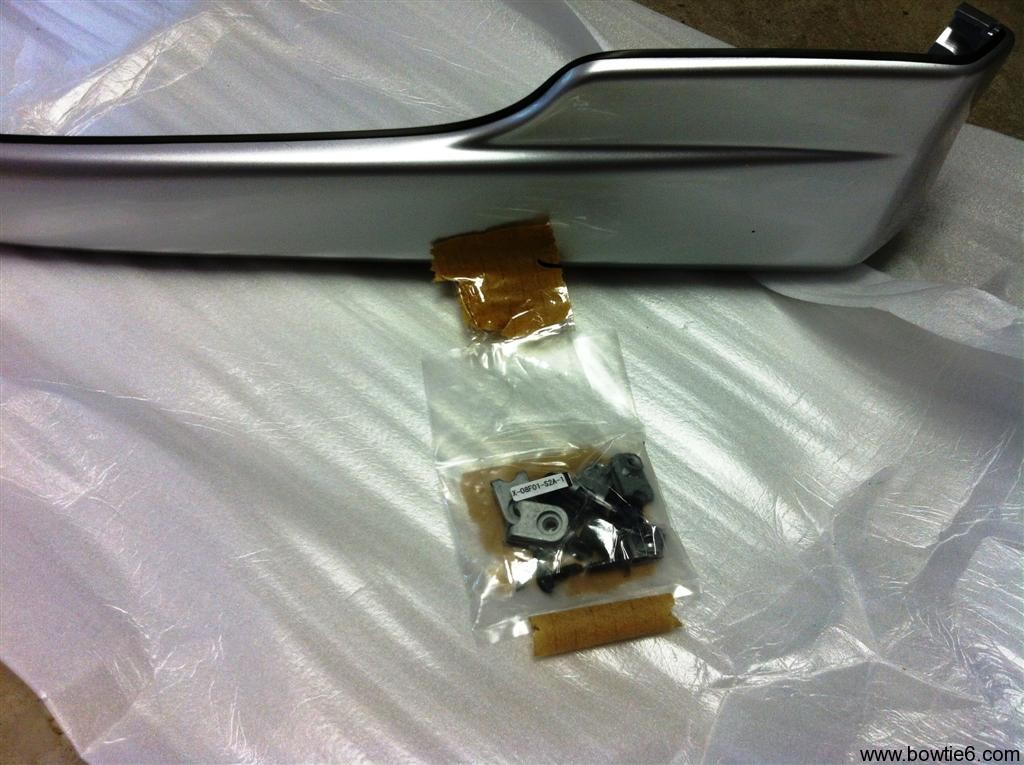
The lip gives the front a little more aggressive look and I like it.  As a bonus, the colour matches 100%.  If I had a negative about all this it would be the mounting hardware.  This is what that looks like:

The part I was not very impressed with were the “U” clips provided with the kit.  They were very flimsy and as to be expected with something like this, they were extremely easy to cross-thread.  I ended up messing up one and it took quite some coercing to get the threads back to where they would accept the screw.

In the final analysis, I am very pleased with the “look”.  It certainly looks the part!

VN:F [1.9.22_1171]
Rating: 0.0/10 (0 votes cast)
VN:F [1.9.22_1171]
Rating: 0 (from 0 votes)

Upstate S2000 Meet & Eat

Turns out there is quite an awesome community of fellow S2000 enthusiasts here in the Upstate of South Carolina.

Last night was Meet & Eat at a local restaurant and I joined in.  What a great group of folks!  There was plenty of really good S2K talk.  Made a few new friends and I hope to be able to attend future meetings.  Six S2K’s were present, that is mine on the extreme left.  Andy even had a really cool Lotus but his better half was not exactly thrilled with it – she said it was much to harsh!

At any rate, I had a really nice time and sure look forward to the next meeting.  Thank you all!!

VN:F [1.9.22_1171]
Rating: 0.0/10 (0 votes cast)
VN:F [1.9.22_1171]
Rating: +1 (from 1 vote)

How Much Does a Honda S2000 Weigh?

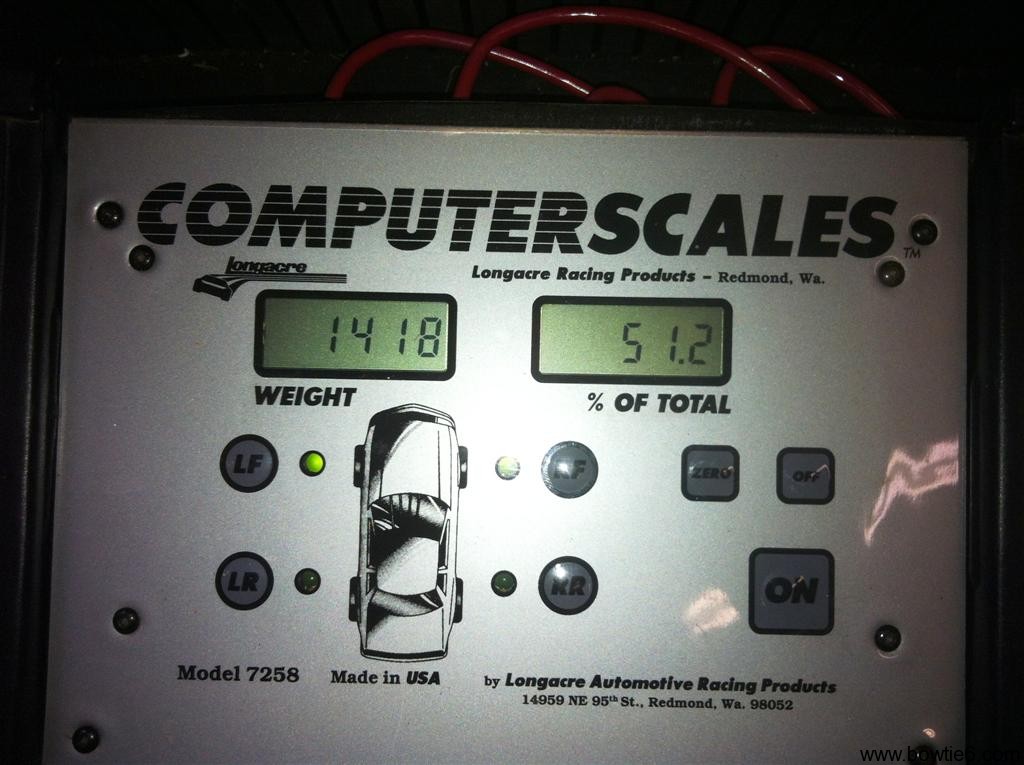
So really, how much does a Honda S2000 weight?  Since we still had the scales available, I thought I’d find out.  First though, I went to the service station and topped off the tank.  I wanted to see how much it would weigh in with a full tank of fuel.  Take a look…

Starting off with rear and then front…

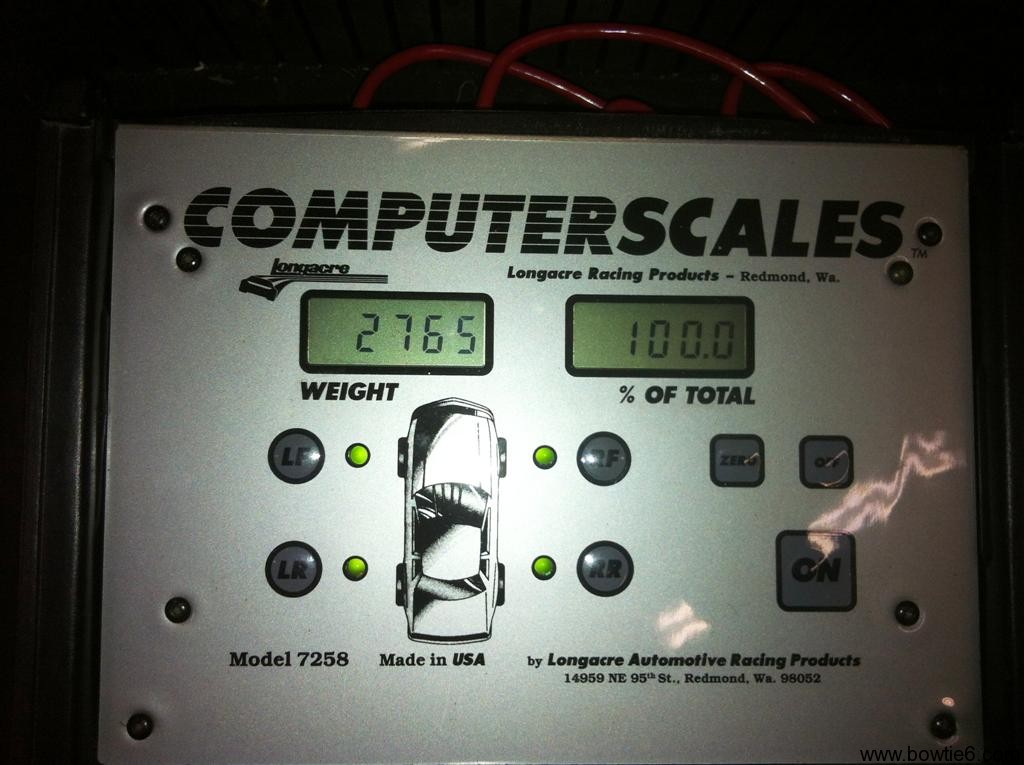
Ah, but here is the real surprise!!

So there.  How ‘but them apples?  I’ve read the S2K weighs in at 2800 lbs, but 2765 lbs is even better!!  And remember this is a bone stock AP1 2003 S2000 with a full tank of gas.  Of course my fat ass wasn’t in the car when we put it on the scales, but still… This is pretty cool for a modern production automobile…

VN:F [1.9.22_1171]
Rating: 7.9/10 (12 votes cast)
VN:F [1.9.22_1171]
Rating: +4 (from 4 votes)

How Much Does a TR6 Weigh?

I’ll ask again, how much does a TR6 weigh?

This has been a question in my mind ever since we fitted the new frame and engine to bowtie6.  Well today I finally was able to find out.  The result was a great surprise.

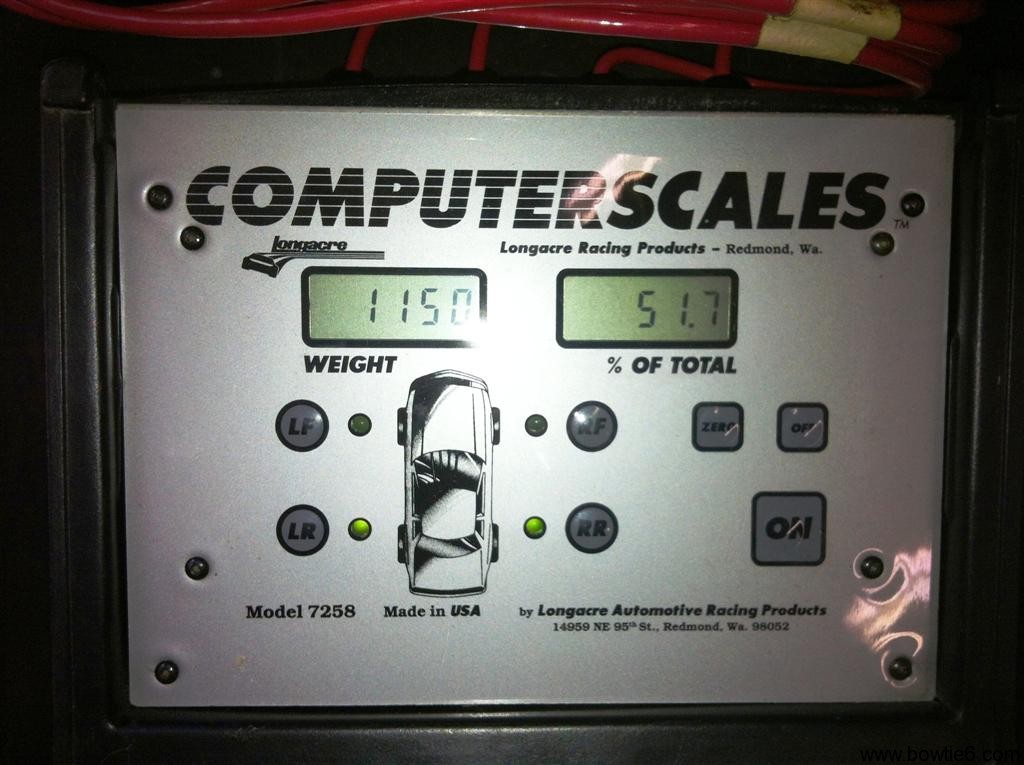
Along with a full tank of fuel and the hard top in place we took our first set of numbers.  The following pictures show front and rear total weights.

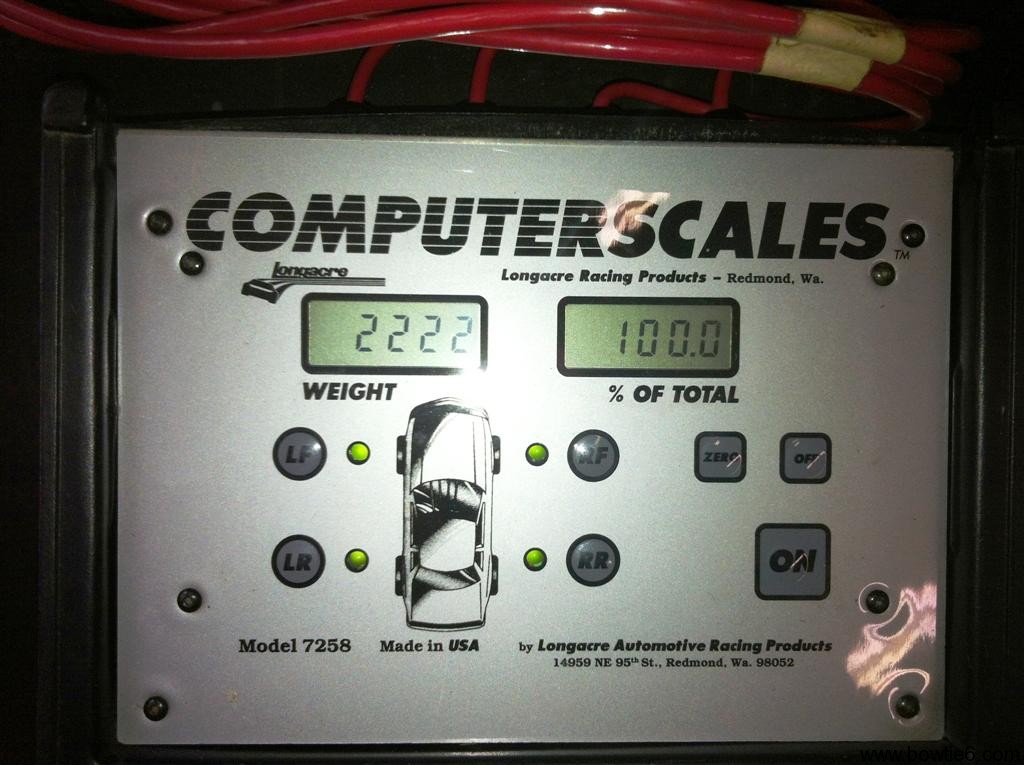
Here is the total:

Not too bad – 2,222 lbs and a 48.2% front / 51.7% rear bias.

We were curious about the weight of the factory hard top.  Well I can conclusively state the Triumph factory hard top weighs in at about 65 lbs.  Granted mine has had a few changes done.  I have added a layer of Dynamat Extreme inside however, I removed all the chrome trim.  So at the end of the day, I guess this would be about equal.

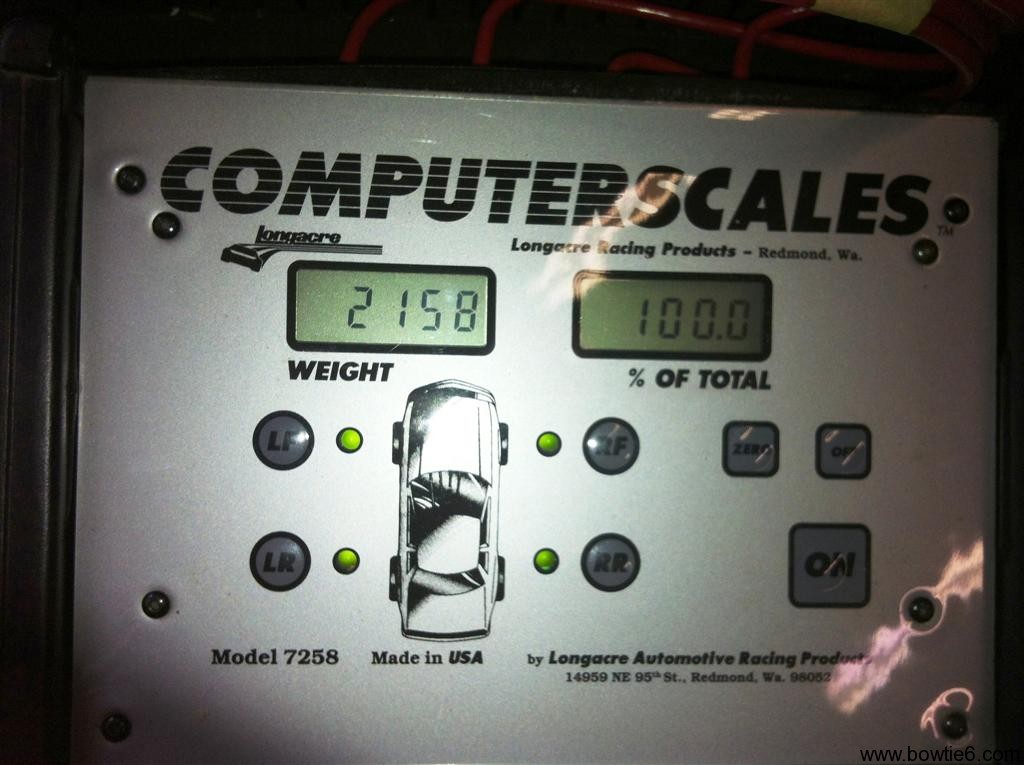
Here is the total without the hard top in place:

With the hard top removed, total weight is 2,158 lbs and a 49.3% front / 50.6% rear.

Next thing I need to do is put bowtie6 on a dyno and measure just how much horsepower we are putting down on the pavement.  In stock form, the 2.4 Ecotec in a Solstice/Sky produces 177 hp.  That is using the restrictive factory exhaust and the factory tune which is optimized for economy.  In bowtie6‘s case, we have tuned the PCM to produce power at the expense of economy (duh!), so we are far above from the stock value.  How much?  That we need to find out.

Regardless, this is all quite impressive.  It would have been nice to be closer to 2000lbs but  2,158 is not shabby at all.  I guess I should not have used all that Dynamat!  :)

Oh and I found a prior post I had made regarding how much my cousin Jim’s TR4 weighs – to read that post CLICK HERE.

VN:F [1.9.22_1171]
Rating: 0.0/10 (0 votes cast)
VN:F [1.9.22_1171]
Rating: 0 (from 0 votes)